1. Make the area safe
Before any work, the area is marked off so no one steps into it by mistake.
Pine Lakes, FL · Lake County
How do you get rid of used needles safely in Pine Lakes? Call (877) 812-4220 to talk through sharps collection, disposal containers and a final walk-through to check nothing was missed.
If anyone is in danger, call 911 first. For a suicide crisis, call or text 988.
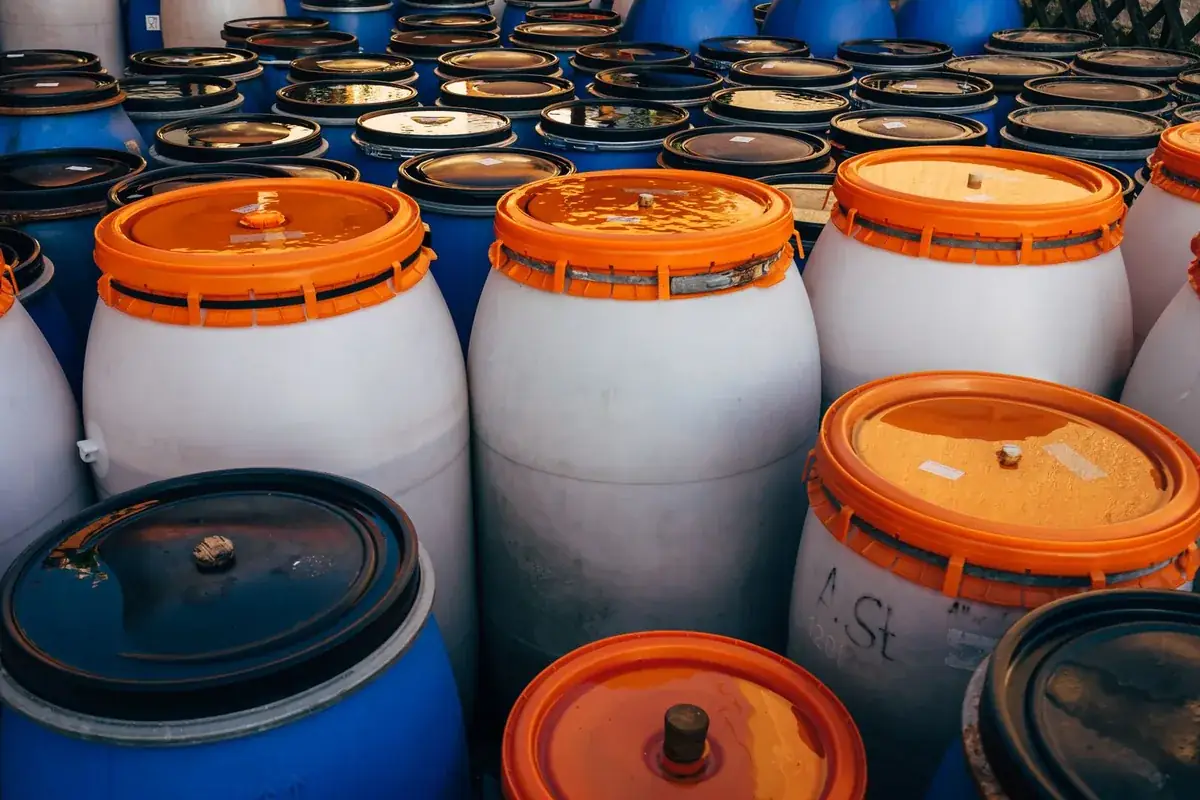
Needle and syringe pickup is a form of biohazard cleanup aimed at sharps. Protective equipment, special containers and proper disposal are part of every job.
Need careful syringe removal in Pine Lakes or nearby communities in Lake County? Call Pine Lakes Biohazard Cleanup Help. Cleanup technicians follow the OSHA Bloodborne Pathogens Standard, 29 CFR 1910.1030, when sharps are involved, so you do not have to touch them.
Most homes in Lake County are owner occupied, with renters at about 22% of households, so many needle calls come from families clearing a home or yard. After a needle stick, wash with soap and water and get medical care. Adventhealth Deland in Deland is the closest emergency room to Pine Lakes.
What needle & sharps cleanup covers:
Before any work, the area is marked off so no one steps into it by mistake.
Crews check under rugs, inside vents, in pockets of clothes and in other spots where syringes are tucked away.
Containers are sealed, loaded and taken away. They leave the property as one load.
Surfaces are disinfected, the area gets a final walk-through, and the sealed containers are hauled away.
The cost of needle & sharps cleanup in Pine Lakes, FL depends on the amount of material, how it is packed and how it is hauled.
Access can raise or lower the price. Locked units, stairs, fences and long travel distances all play a part.
| Type of job | Typical range |
|---|
These ranges come from published cost guides () and are not a quote for Pine Lakes. Price drivers include number of items, where they are found, whether a sweep of a large area is needed, waste disposal. For a real number, call (877) 812-4220.
It is a rigid, puncture-resistant box with a locking lid, made to hold needles, syringes, lancets and blades. Cleanup teams use them to seal sharps for transport. Containers should not be overfilled or opened again once locked.
Yes, because children may pick up what they find. Teach children to stay back from any needle and tell an adult. If a child touches or is stuck by a needle, wash the area, get medical care and call Poison Control.
Lease terms and local law decide. A landlord, an attorney or a tenant rights group can say who is responsible. In many cases the property owner books the sweep first so the unit can be used again, and the cost is sorted out afterward.
A used needle can carry bloodborne pathogens such as hepatitis B, hepatitis C and HIV. The chance of infection from one stick depends on many things, and a doctor can explain what applies. Get medical care promptly after any stick or cut.
Loose needles should not go in household trash, because they can stab sanitation workers. Rules for small amounts of household sharps vary by city and county. The local health department can say what is allowed, and a cleanup team can take larger amounts.
A small yard or single room can be quick, while a building or large lot takes longer. Clutter, hidden spots and the amount of sharps affect the time. A cleanup team can give a realistic idea once it hears the details.
Ask about discreet arrival in an unmarked vehicle if privacy matters.
Call (877) 812-4220